Rail-Connected Capacity for Cost-Efficient Long-Haul Freight.
LONG-HAUL EFFICIENCY, CAPACITY, AND COST CONTROL

Rail-Access Warehousing
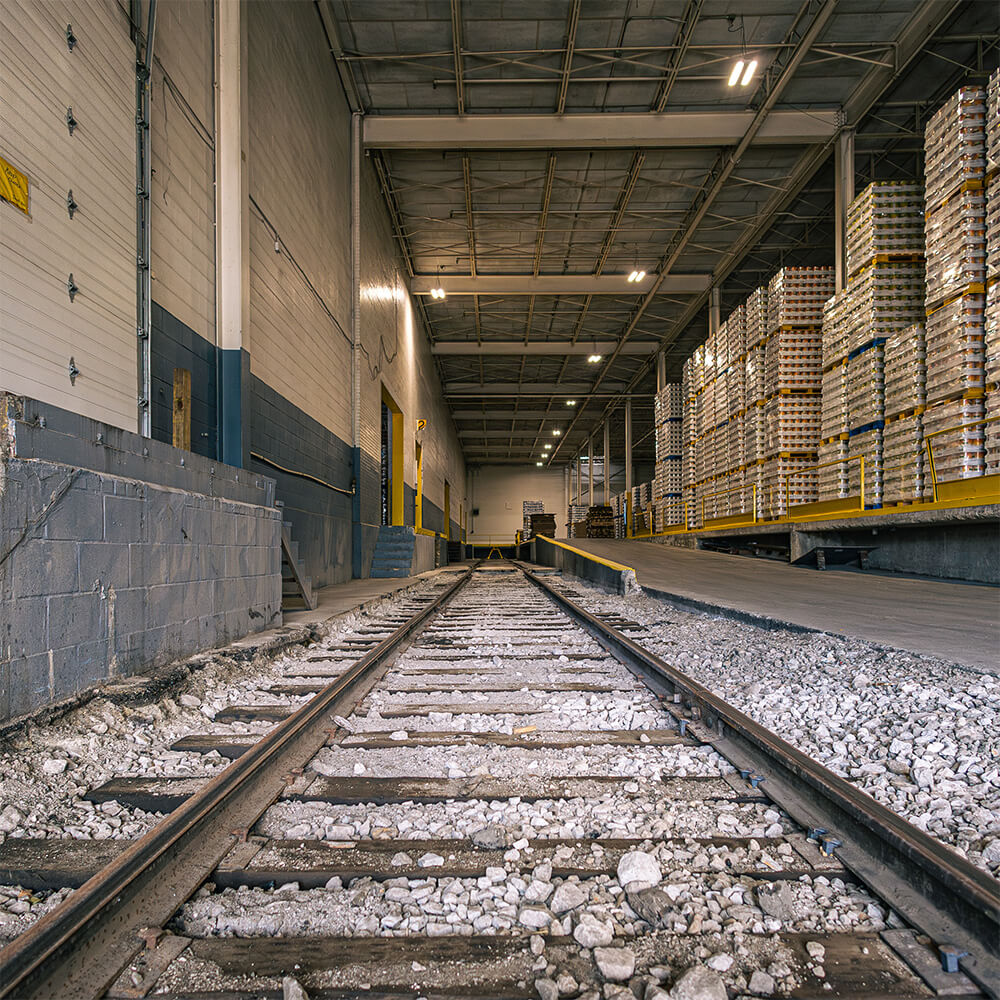
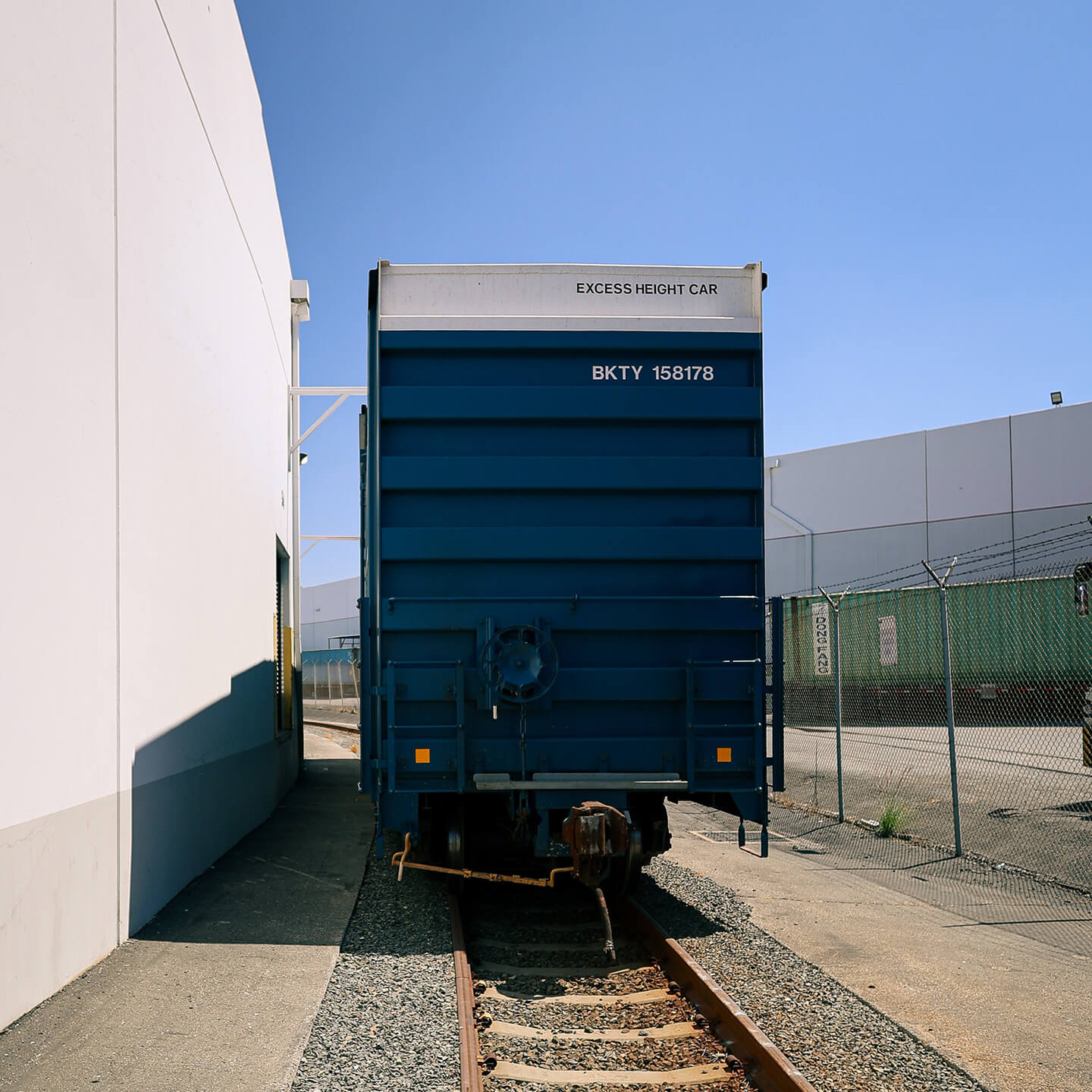
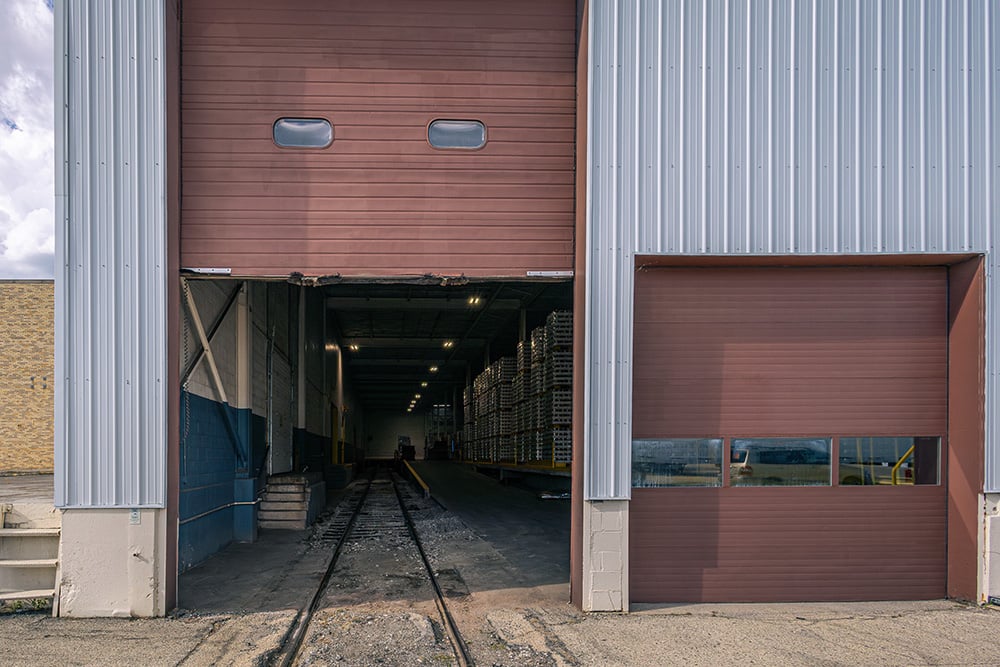
Select Source facilities offer direct in-facility or nearby rail access, supporting efficient inbound and outbound rail movements tied directly to warehouse operations.

Rail Yard & Intermodal Proximity
Facilities positioned near major rail yards and intermodal terminals enable containerized freight, transload strategies, and drayage-supported flows.
Integrated Truck & Rail Execution
Rail freight can be coordinated with Source-managed drayage, linehaul, and final-mile transportation for seamless modal transitions.

Inventory & Shipment Visibility
Rail movements, warehouse inventory, and outbound orders remain visible through Source systems – reducing blind spots between rail and road.
When Rail Access Makes Sense
Rail and intermodal strategies are most effective when you’re facing:
- High long-haul transportation costs
- Delivery windows with more flexibility
- Volume-driven or repetitive freight lanes
- Port, border, or terminal congestion
- Seasonal inventory builds or peak surges
- Import-heavy or cross-border supply chains
Source helps evaluate where rail creates value – and where trucking or hybrid strategies remain the better fit.
Supported Markets & Network Coverage
Rail-enabled and intermodal-adjacent Source locations support major U.S. logistics corridors, including:
- Southern California
- Texas border markets
- Midwest distribution hubs
- Northeast port-proximate regions
These locations complement Source’s nationwide warehousing, fulfillment, and transportation network rather than operating in isolation.

Network-First Strategy
Rail access is embedded within a broader logistics network – not treated as a siloed service.
Operational Flexibility
Hybrid truck-rail strategies adapt to volume shifts, seasonality, and capacity charges.
Single Partner Accountability
One provider coordinating warehousing, transportation, drayage, and rail execution.
Visibility Across Modes
Unified data and reporting across rail, warehouse, and outbound flows.


Warehousing & Distribution
Transportation Management
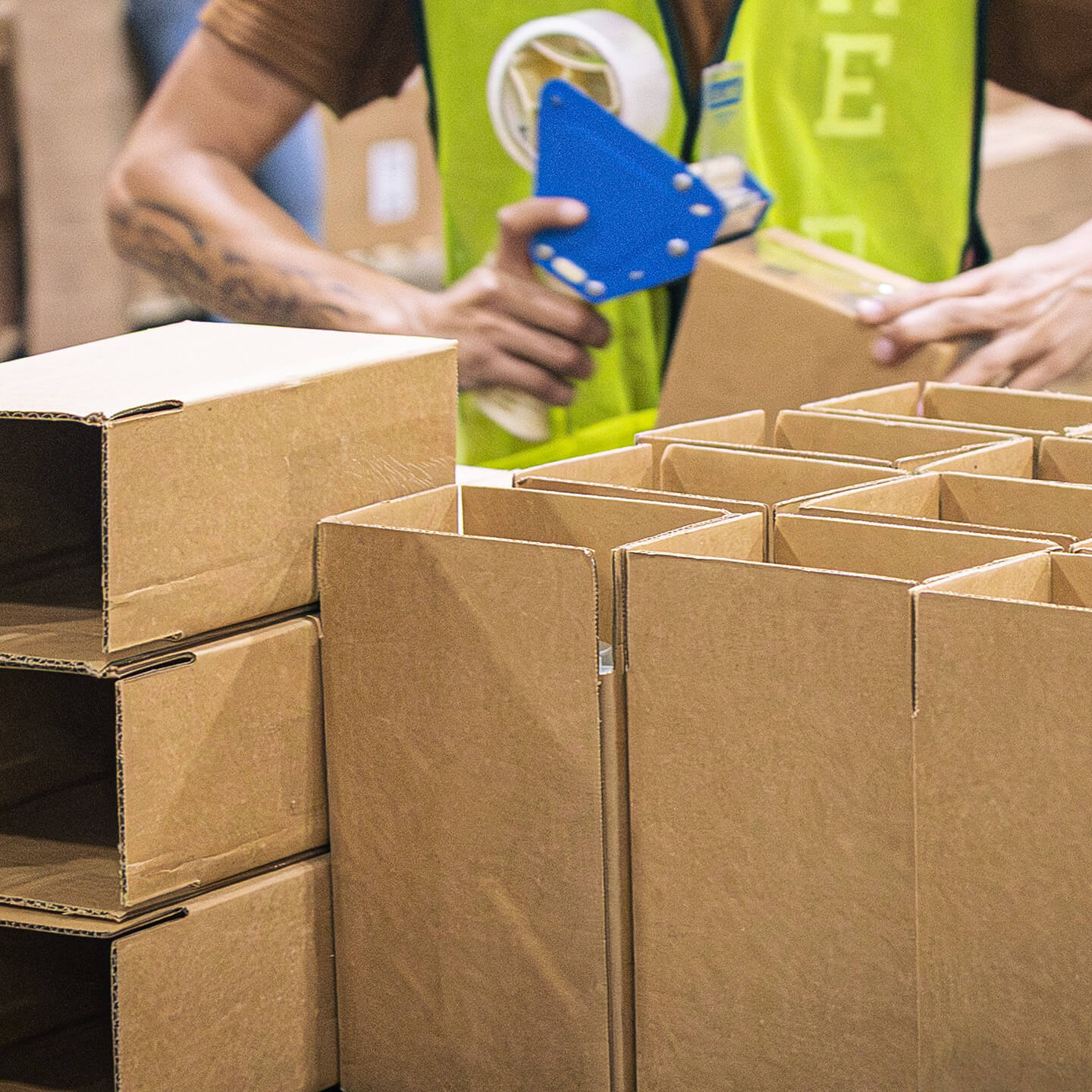
Ecommerce & Fulfillment
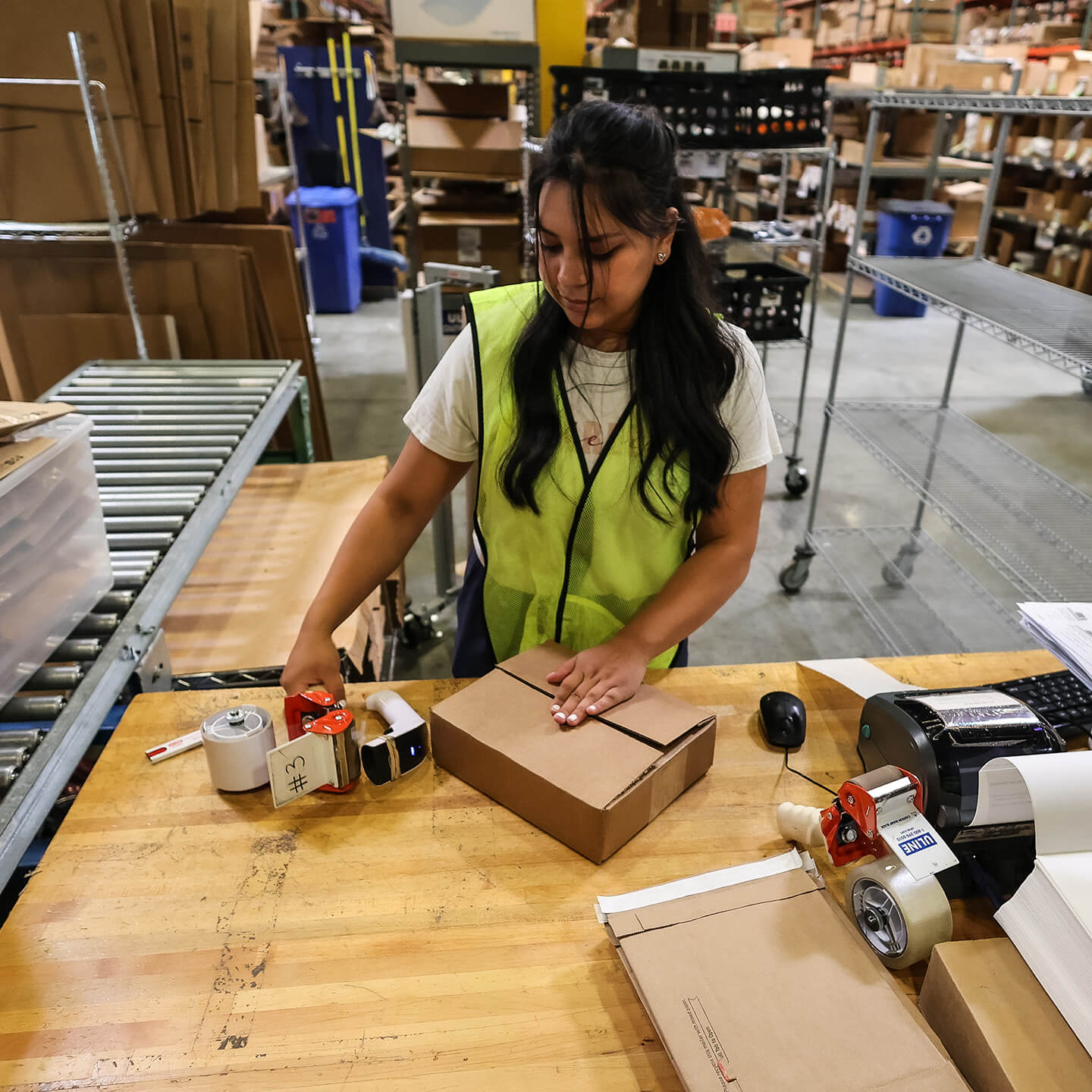
Value-Added Services
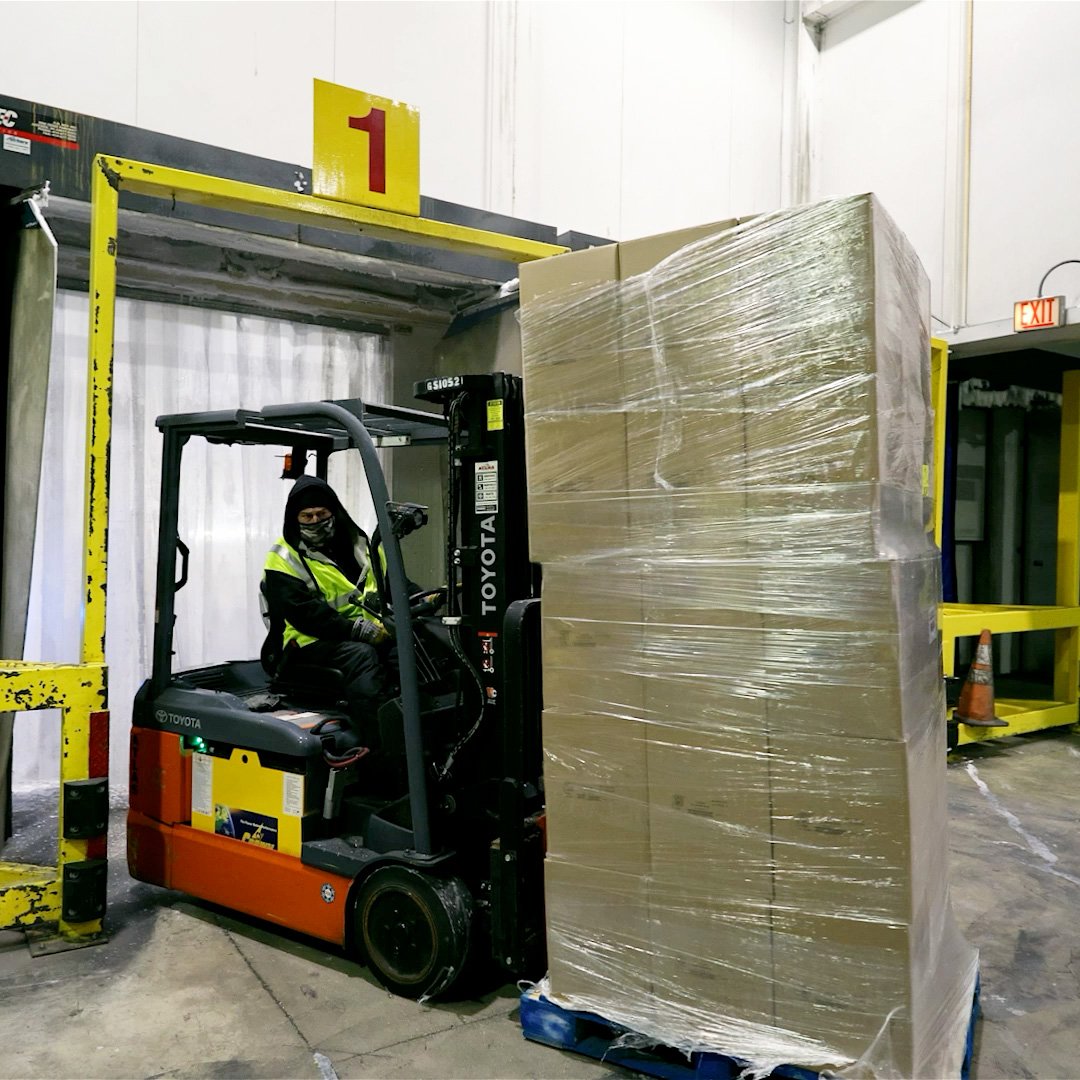
Temperature-Controlled Storage








When Your Kids Don’t Want the Warehouse: Planning the Next Chapter
Cold Chain Pressure is Shifting Inland: What Food & Beverage Operators need to Know